
Lucas MicheluzziDiretor Técnico na Macler

The topic of “foam” in the cleaning products industry is always a relevant issue. It has technical importance in certain situations, such as with dishwashing detergents, for example, where foam helps the product stay in the sponge longer. However, in most cases, foam is much more of a cultural issue, where consumers begin to evaluate a product by the amount of foam it produces and, mistakenly, judge a product that foams a lot as more concentrated. In other words, foam production becomes a crucial factor for the product's commercial success.
However, there are cases where the application is more technical and foam is undesirable, becoming detrimental to the cleaning process. In these cases, the options available to the formulator are much more limited. And this is the objective of this article: to help elucidate the possible and most viable paths and their reasons, streamlining the research process when developing a product with this characteristic.
The first point to clarify is that, in most cases where the product cannot foam, the reason is its application in automated cleaning processes. The equipment used in these processes generally has recirculation pumps, and this type of part can be damaged because cavitation, vibration, and pump overload are caused by the presence of foam/air in the liquid. This results in accelerated wear, seal failures, and possible operational breakdowns.
Here are some formulations that require low foaming due to the pumping and recirculation of the cleaning bath. For didactic purposes, we will call them "Low Foaming Detergents".
In general, low-foaming detergents are formulated in four basic ways, which we detail below:
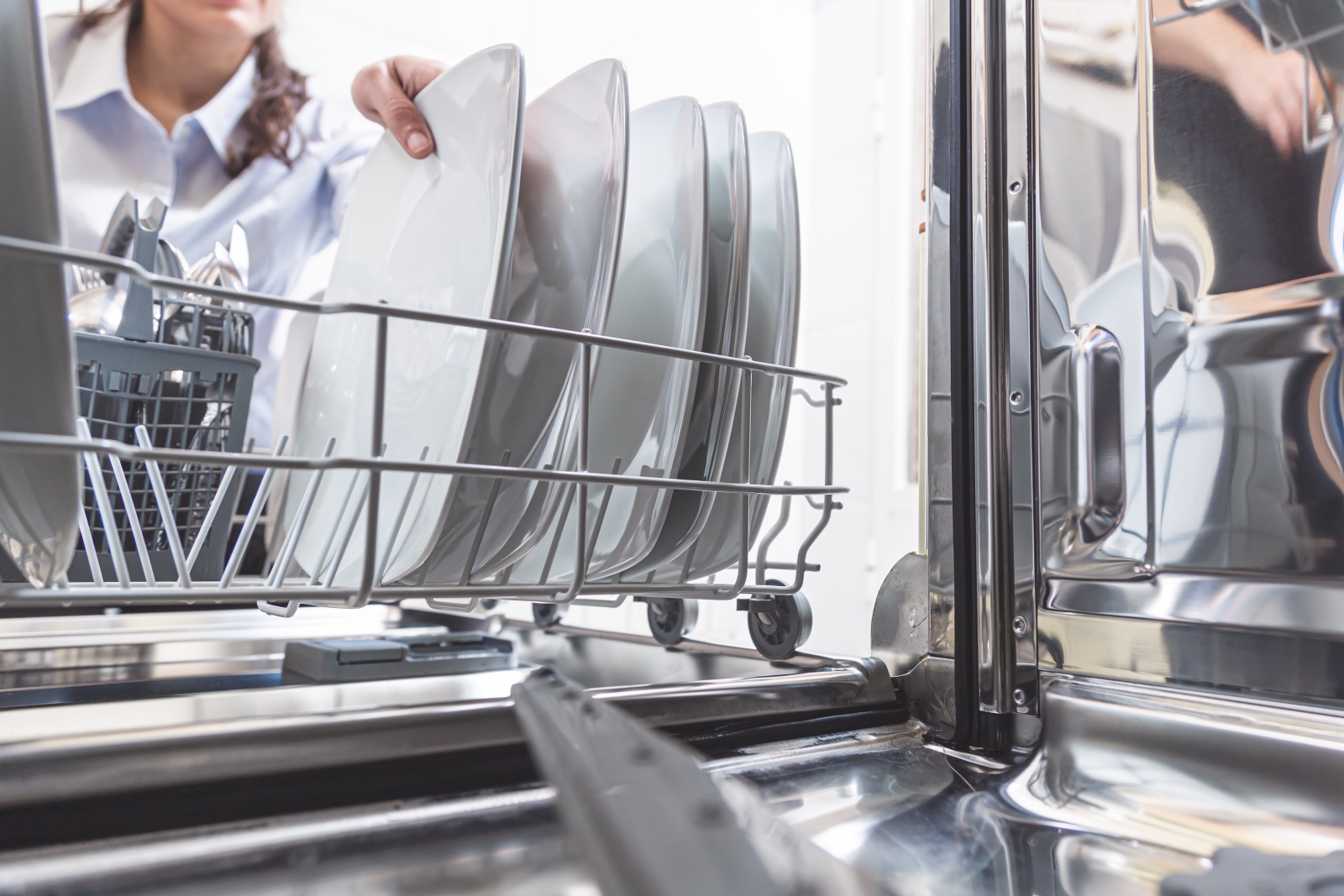
This is the simplest of the four systems presented, but the least efficient. If we use Sinner's Circle as a tool to evaluate the variables that influence cleaning, we can see, during cleaning efficiency tests of this type of formulation, that we will need a very high concentration of strong chemical ingredients. We also require high pressure/abrasion and high temperature for this system to deliver good performance. This is the most widely used system today for detergent formulations for professional dishwashers. These are highly caustic and technologically untechnological products; therefore, the use of high temperatures and high pressure in the water jet of the machines is fundamental for good performance.
Learn more about the Sinner's Circle by clicking here.
In some applications that require low chemical aggressiveness for cleaning—such as cleaning porcelain tiles, aluminum parts, and drying agents for dishwashers—the best option is to use surfactant systems combined with co-formulants. The most widely used surfactants in these cases are EO/PO (ethoxylated/propoxylated) fatty alcohols. The fact that it is EO/PO does not necessarily mean that it is a low-foaming surfactant, since, to achieve low foaming, there must be a certain ratio between EO (ethoxylation), PO (propoxylation), and fatty acid chain length. Most manufacturers do not disclose this ratio as it is a trade secret, but they do provide specifications related to foam formation. The limitation of this type of molecule is that it generally has low solubility, requiring the use of a high hydrotrope content for stabilization.
Another type of molecule, less common but equally effective for this type of application, is short-chain (C6 to C10) fatty alcohols with low ethoxylation (3 to 5 EO); a notable example is Berol 840, manufactured by Nouryon, a Dutch multinational, and distributed by Macler in Brazil. However, Berol 840 also requires the use of hydrotropes, as it is not completely soluble in water.
.jpg)
There are several low-foaming blend options that do not require the use of defoamers, such as Berol LFG 61, also from Nouryon, and Isogen SE32, manufactured by Macler.
Learn more about hydrotope options and their functions by clicking here.
For situations where caustic or acidic materials may be involved, this combination offers the highest performance, requiring significantly lower concentrations of corrosive agents due to the presence of surfactants. In other words, it provides greater safety, improved cleaning performance, reduced abrasion/pressure requirements, and lower temperatures. While the product cost is often higher, in some cases, reduced energy consumption and lower workplace accident risks make this seemingly higher cost quite worthwhile.

This would be the last resort we would recommend, especially when the formulation is caustic or acidic, as many antifoaming agents are not stable in these environments. Furthermore, antifoaming agents add cost to the formulation that could be better spent on choosing a low-foaming surfactant. Because they are emulsions, they can also compromise the stability of the formulation, reducing its solubility and requiring the use of other ingredients to resolve this problem, adding more cost that is not relevant to the product's purpose and function.
Now, there are cases where the use of antifoaming agents is necessary by definition, such as in CIP cleaning in the dairy industry and some beverage industries. But we will detail this topic later, when we discuss CIP cleaning further on.
Check out suggestions for formulations of:
Besides low-foaming detergents and their issues with equipment pumps, there are other types of products that use ultrasonic baths (emitting waves that promote the removal of dirt). The presence of foam reduces the impact of the ultrasonic waves, decreasing cleaning performance. One of the most commonly used products in ultrasonic baths is enzymatic detergents for professional use.
In this case, the formulation system used is based on surfactants combined with enzymes, generally proteases, lipases, amylases, and carbohydrases. This type of formulation cannot contain high alkalinity or acidity, as these denature the enzymes and damage the instruments to be cleaned. Furthermore, care is needed to stabilize the enzymes so that they are active at the time of application.
The most commonly used surfactant in Brazil for this type of formulation is Berol LFG 61, in addition to some EO/PO surfactants and, more recently, Isogen SE 32, a product that was launched on the domestic market not long ago. Berol LFG 61 and Isogen SE 32 greatly facilitate formulation adjustment, as the options for hydrophilic agents are limited in this case.
Want to learn more about this type of formulation? Click here to download the PDF with a suggested formulation from Macler.
Finally, as a last but no less relevant example of low-foam cleaning, we have the products used in CIP cleaning processes, which are generally divided into alkaline (caustic) and acidic. Although they also suffer from foaming issues due to pumping, it's worth highlighting because it's an entirely different process from the others. Below, we can clarify what the process is and each specific case.
Clean-in-place (CIP) cleaning is an automated sanitation process used in industries, especially in food and beverage production, to clean equipment and piping without the need for disassembly. The process involves the circulation of cleaning solutions (detergents and disinfectants) and water, at controlled temperatures and flows, to remove residues and contaminants.
The steps generally used in this type of cleaning are as follows:
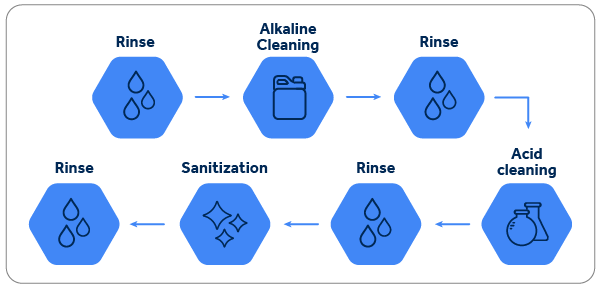
The objective of the alkaline cleaning stage in the CIP cleaning process is to primarily remove greasy and protein-based soiling that adheres to the pipe walls over time. This type of cleaning is an excellent example for understanding Sinner's Circle in practice, because, since scrubbing is not possible, the chemical action, concentration, temperature, and contact time are the key factors for the success of this type of process.
(1).jpg)
Each type of industry has its own specific type of dirt. In the dairy industry, for example, the pipes accumulate a lot of fat, protein, and calcium, which makes cleaning even more difficult. However, precisely because it is the most reactive alkaline ingredient, caustic soda is the most widely used ingredient in all of them. Its reactivity is even greater in this type of process, as heated solutions are generally used, reaching up to 90 °C during the cleaning process. It is not uncommon, mainly due to the presence of calcium ions, to use EDTA or some sequestering agent with caustic soda for better performance.
The use of low-foaming surfactants is also highly recommended to improve cleaning performance. But be aware: although lye alone does not cause foam formation, as we saw above, it reacts with fats to form soaps. Therefore, during CIP cleaning, soap formation occurs, presenting a high potential for foam formation in the process. So, in addition to choosing a low-foaming surfactant, the use of an antifoaming agent is necessary. Both the surfactant and the antifoaming agent are mainly added as additives to the caustic soda solution. Antifoaming agents do not have good compatibility with high concentrations of lye, and ready-made formulations already containing surfactants tend to add significant cost.
Regarding the use of surfactants in this application, they don't have as much effective cleaning function as in the applications mentioned above. Their main function here is to reduce the surface tension of the cleaning solution so that it can penetrate deeper into the dirt and any cracks and crevices in the walls of pipes and equipment. This is especially true in areas with valves, connections, and welds.
Among the various surfactant options available, Macler highlights two products from its portfolio that are commonly used in these applications: Isogen SE 32, which is manufactured in-house, and Berol LFG 61, manufactured by Nouryon, a Dutch multinational distributed by Macler in Brazil. Both products exhibit exceptional stability in strongly caustic environments.
In the case of acid cleaning, its purpose is to dissolve mineral deposits and encrustations, most commonly calcium-rich deposits, which are very present in the dairy industry, for example. The choice of acid type depends heavily on the type of surface being cleaned. If you would like to know more about this, click on this link.
As with alkaline cleaning, the use of low-foaming surfactants is advisable to increase cleaning performance, as it will help the acid penetrate deeper into the dirt. In addition, the use of corrosion inhibitors is often desirable, protecting the cleaned surface from attack by the acid in question.
The use of some ethoxylated fatty amines stands out here, such as the products Ethomeen T25 and Ethoquad T25, manufactured by Nouryon. Other surfactants in the class of ethoxylated tertiary or quaternary fatty amines derived from tallow or coconut, with different degrees of ethoxylation, can also be used. In this case, these amines act as both corrosion inhibitors and surfactants; however, all of them cause foaming. Therefore, the use of an antifoaming agent as an additive during cleaning is essential.
Another factor that greatly contributes to CIP cleaning, both alkaline and acidic, is the use of dispersing agents, with 40% Sodium Polyacrylate being one of the best options.
Bringing together everything related to low-foaming formulations in a single text is a challenging task and would make this article even longer. Here, we aim to present the main points related to the topic in an objective and practical way.
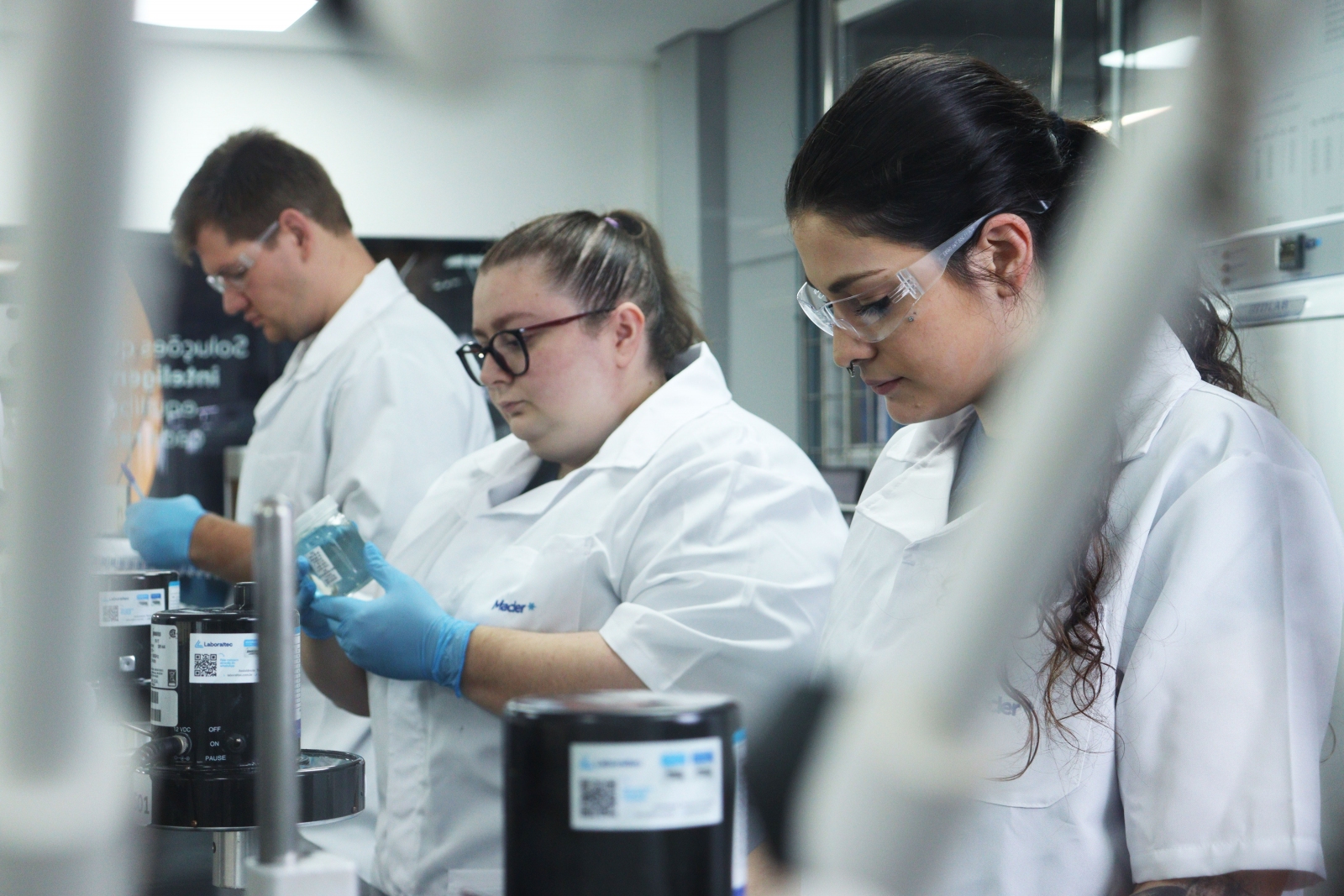
To further discussions or support specific development needs, Macler has a team of experts in its SmartLab, ready to assist clients and contribute with tailored technical solutions.
Although practical, traditional cold fabric softeners lose out in perfume fixation and can stain clothing. To resolve this, Macler created a base that unites the savings of this process with high sensory performance. Get to know it.
We use our labs to create
intelligent chemical solutions balanced with your reality.
We use our R&D center, our own laboratory with experienced professionals, to deliver intelligent chemical solutions in balance with your reality.
We use cookies on our site to give you the best experience possible. By continuing to browse the site, you agree to this use. For more information on how we use cookies, see our Privacy Policy.
