
Betaine: Learn how to identify and protect your industry from fraud
Cocamidopropyl Betaine is a surfactant used in the cleaning and cosmetics industries due to its versatility. Its widespread use makes fraud in the supply of this raw material increasingly frequent.
Continue reading to learn how to identify them and access the analysis methodologies for this asset.
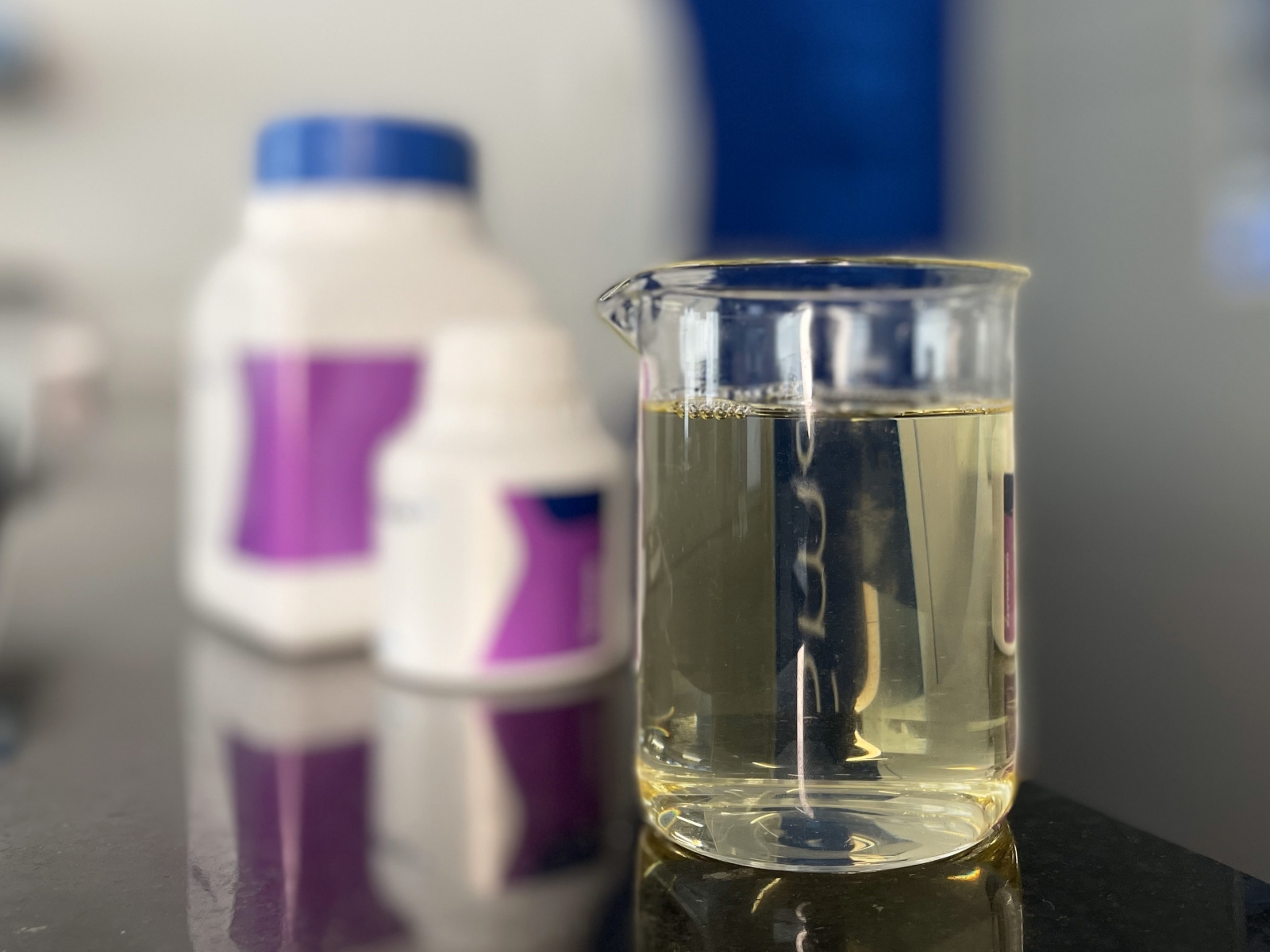
What is Betaine?
Cocamidopropyl Betaine is a surfactant that carries both positive and negative charges, which neutralize each other. In neutral and alkaline environments, it behaves as a non-ionic surfactant, but in acidic environments, it becomes protonated and acquires cationic properties.
The main properties of these surfactants are their solubility, emolliency, foaming power, and wetting ability, thus explaining their widespread use in the cosmetics and cleaning products market.
Molecular structure of Betaine:

Betaine is a vegan surfactant that can also be produced synthetically. It is also notable for its rapid decomposition, making it a readily biodegradable and low-toxicity product.
Currently, it is used as a secondary surfactant, working in conjunction with other surfactants, mainly in cosmetic and cleaning product formulations.
Its application promotes greater smoothness and emolliency, increases formulation performance, stabilizes foam, and increases viscosity.
.png)
Common fraud in the supply of Betaine
Fraud in the supply of this raw material has become increasingly frequent, with numerous cases of products being sold with lower concentrations than recommended, without proper notification to the customer: What has been offered is Betaine with 30% solids, which in reality contains only about 25% active ingredient.
The offer of a product with a lower concentration without proper transparency showed us the need to issue a warning and ensure an honest and safe product, with active ingredients in accordance with the quantity offered. Therefore, Betaine supplied by Macler is available in two versions according to the specifications below:
.png)
How can we identify and prevent these frauds in quality control?
The most effective way to measure water content is the Karl Fischer method. This is a precise and fast methodology, but it requires specific equipment for analysis.

The most effective way to measure water content is the Karl Fischer method. This is a precise and fast methodology, but it requires specific equipment for analysis.
If this is not possible, reasonable accuracy can still be achieved through infrared solids analysis or oven drying. For chloride analysis, the Mohr titration is used.
To make your routine easier, we have compiled all these methodologies into a PDF with a complete step-by-step guide. Click the image below to access it:
.jpg)
Don't be fooled!
Always question suppliers about the real active percentage of the offered product. Ask for samples before you buy, so that you can analyze and guarantee the performance and concentration indicated.
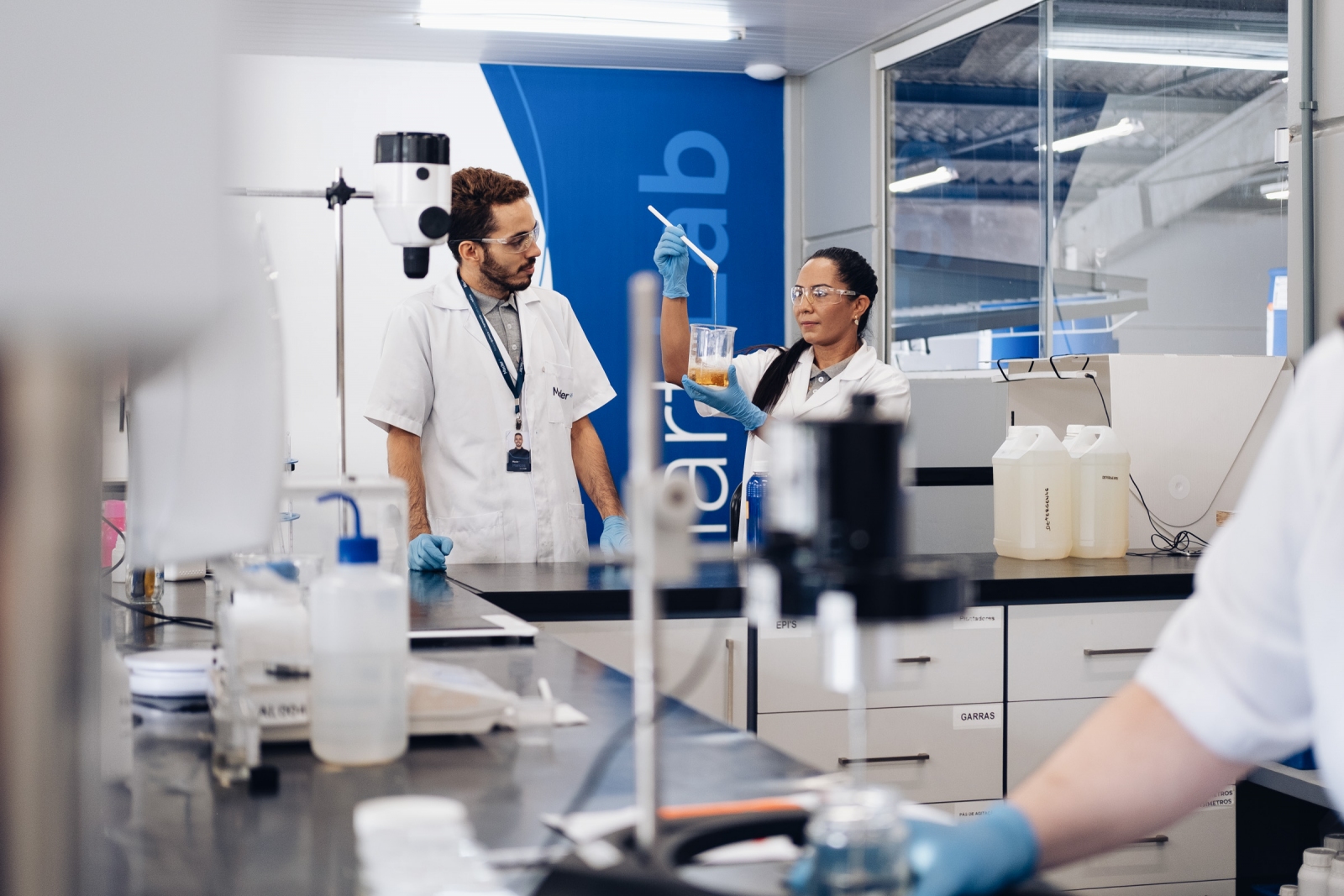 Macler is known for paying extreme attention to the quality of its products.
In addition to traditional physical and chemical analyses, raw materials undergo application testing in standard formulas using TrustScan, an internal procedure that reinforces our commitment to combating fraud in the chemical industry and providing greater security for customers and partners.
Count on Macler to ensure greater safety and performance for your formulations.
Learn More
Although practical, traditional cold fabric softeners lose out in perfume fixation and can stain clothing. To resolve this, Macler created a base that unites the savings of this process with high sensory performance. Get to know it.
Our chemistry
We use our labs to create
intelligent chemical solutions balanced with your reality.
Products
We use our R&D center, our own laboratory with experienced professionals, to deliver intelligent chemical solutions in balance with your reality.
